Let’s chat about my favorite mineral today – magnesium!!
Hi friends! How are ya? I hope that you’re having a lovely morning. We are in Seoul right now! I’ll be sharing lots of adventures (probably too many) on IG stories if you’d like to follow along. We are also going to Tokyo and Kyoto.
For today’s post, I wanted to chat about the benefits of lovely magnesium and muscle cramps.
For most of my young adult life, I would wake up in the morning, point my toes to stretch, and my entire calf muscle would immediately seize up in the most violent cramp imaginable. I was genuinely convinced that I was going to perish. (It may sound dramatic but if you’ve ever experienced this, you understand.)
The cramps were even worse during both of my pregnancies. And knowing what I know now as an Integrative Health Practitioner, that makes complete sense, because growing babies draw heavily on their mother’s mineral stores, and magnesium is one of the first things to go. (Babies are AMAZING but they’re little mineral bandits.)
I wish so much that I had done functional lab testing after my girls were born, because magnesium deficiency can play a huge role in how a new mom feels, thinks, sleeps, and recovers. It could have changed my entire postpartum experience.
Since I started supplementing with magnesium consistently, I have not had a single muscle cramp. Not one. (Knock on wood!!) The cramp relief was honestly just the beginning of what I noticed.
If you are dealing with poor sleep, low-grade anxiety, fatigue, or mood swings that seem to have no clear cause, magnesium deficiency could be a major piece of the puzzle, and you might not even know it. This is one of the most common deficiencies I see when I start working with new clients, and it is also one of the most impactful things to address. Let’s chat about everything you need to know!
In This Post
- Why So Many Women Are Magnesium Deficient
- What Magnesium Actually Does in the Body
- Signs You Might Be Low in Magnesium
- The Different Types of Magnesium (and How to Choose the Right One)
- Why a Full-Spectrum Magnesium Can Be a Game Changer
- Topical and Bath Magnesium: Do They Work?
- Foods That Are High in Magnesium
- How to Test Your Magnesium Levels
- FAQ
Why So Many Women Are Magnesium Deficient
Here is a number worth paying attention to: research from the USDA suggests that nearly half of Americans are not getting enough magnesium from their diet. That statistic does not account for the additional depletion that happens because of stress, certain medications, alcohol, poor gut absorption, or the demands of pregnancy and breastfeeding.
Women are particularly vulnerable for a few reasons. Estrogen and progesterone fluctuations throughout the menstrual cycle affect how the body uses and retains magnesium. Stress – which most women I know are carrying a LOT of – directly depletes magnesium because the body burns through it rapidly when the nervous system is working overtime. The modern food supply, even when we are eating well, tends to be lower in magnesium than it used to be due to soil depletion and the fact that food sits longer on the shelves.
It’s important to keep in mind that standard blood tests are a notoriously poor way to measure magnesium status. The body maintains a very tight range of magnesium in the blood, drawing from tissues and bones to keep blood levels looking normal even when your actual stores are low. This means you can have a “normal” blood magnesium result and still be functionally deficient at the cellular level. I’ll share my favorite test for this below!
What Magnesium Actually Does in the Body
Magnesium is involved in more than 300 biochemical reactions in the body! (Not a typo. That’s 300.) A deficiency can show up in so many different and seemingly unrelated ways.
Here is a short list of what magnesium is responsible for:
- Muscle contraction and relaxation (including the heart muscle)
- Nervous system regulation and stress response
- Sleep quality, via its role in activating the parasympathetic nervous system and supporting melatonin production
- Energy production at the cellular level
- Blood sugar regulation and insulin sensitivity
- Bone density (it regulates calcium uptake)
- Hormone production and balance, including progesterone
- Reducing inflammation
- Supporting a healthy cortisol response
When magnesium is low, all of these functions are compromised to varying degrees.
That is why clients who start supplementing correctly often describe the experience as feeling like something they did not even know was missing has suddenly returned!!
Signs You Might Be Low in Magnesium
One of the reasons magnesium deficiency goes unrecognized so often is that the symptoms are incredibly common and easy to chalk up to stress, aging, or just being busy.
Here are some of the things to look for:
Muscle Cramps and Twitches
This was my biggest and most obvious symptom. Magnesium regulates muscle contraction and relaxation – when levels are low, muscles cannot fully relax, which leads to cramping, twitching, and spasms. Nighttime leg cramps and the kind of morning-stretch calf cramps I described are classic presentations. Eye twitches that come and go are another one I hear about often and have experienced myself.
Poor Sleep
Magnesium activates the parasympathetic nervous system, helps regulate melatonin, and supports the GABA receptors in the brain that promote calm and relaxation. When magnesium is low, the brain has a harder time winding down. You might notice trouble falling asleep, waking in the night, or consistently feeling unrefreshed even after a full night’s rest.
Anxiety and Irritability
The calming effect magnesium has on the nervous system is significant. Low levels are associated with heightened anxiety, a lower stress tolerance, and a kind of baseline irritability or emotional reactivity that feels hard to explain. Many clients notice within the first two to three weeks of supplementing that they just feel more even. They’re less reactive and feel more like themselves.
Fatigue and Low Energy
Because magnesium is essential for ATP production – the energy currency of every cell in your body – low levels mean your cells are literally not producing energy efficiently. This shows up as fatigue that does not fully resolve with sleep, afternoon crashes, and a general sense of running on empty.
Headaches and Migraines
Magnesium helps regulate blood vessel tone and neurotransmitter activity. Research has consistently linked magnesium deficiency to an increased frequency of headaches and migraines, particularly in women and particularly in the premenstrual phase of the cycle.
Worsening PMS
Magnesium plays a direct role in hormone regulation during the luteal phase. Low levels are associated with worse PMS symptoms including cramps, bloating, breast tenderness, mood swings, and cravings. If your PMS has been getting more intense, magnesium is one of the first places I look.
Constipation
Magnesium helps regulate muscle contractions in the digestive tract. Low levels can slow things down, contributing to constipation or sluggish digestion.
Brain Fog and Difficulty Concentrating
Magnesium supports healthy neurotransmitter function and nerve signaling. Deficiency can show up as difficulty focusing, a foggy feeling, or a sense that your thinking is just not as sharp as it used to be.
Bone Loss
Most people think of calcium when they think about bone density, but magnesium is equally important. It regulates calcium uptake and is needed to activate vitamin D, both of which are essential for maintaining strong bones. Without adequate magnesium, calcium supplementation can actually be counterproductive.

The Different Types of Magnesium (and How to Choose the Right One)
Here is where a lot of women go wrong – and it is genuinely not their fault, because the supplement aisle is overwhelming! Many of my new clients come to me already taking magnesium, but taking the wrong form for their specific needs and not feeling much of a difference. The type of magnesium matters a LOT.
Magnesium Glycinate
This is the form I recommend most often as a daily foundation. Magnesium glycinate is bonded to the amino acid glycine, which makes it highly bioavailable and very gentle on the digestive system. It is the go-to for sleep support, anxiety, muscle tension, and general deficiency replenishment. It is unlikely to cause loose stools (a common side effect with other forms), which makes it easier to take in meaningful doses. If you are only going to take one form, this is usually where I start.
Magnesium L-Threonate
This is the only form of magnesium that has been shown to effectively cross the blood-brain barrier, meaning it can raise magnesium levels specifically in the brain. It is particularly useful for cognitive support, memory, mood, and neurological health. Some people take it alongside glycinate – glycinate for body and general calming, threonate for brain and focus. It is more expensive than glycinate, but for women dealing with brain fog or cognitive concerns, it can be worth it.
Magnesium Malate
Magnesium malate is bonded to malic acid, which is involved in cellular energy production. This form is particularly useful for women dealing with fatigue, muscle pain, or fibromyalgia-type symptoms. It is well absorbed and generally gentle on the stomach. If your biggest complaint is energy and muscle recovery rather than sleep or anxiety, malate is worth considering.
Magnesium Citrate
Citrate is one of the most common and affordable forms, and it is reasonably well absorbed. The catch is that it has a laxative effect at higher doses, which can be helpful if you are also dealing with constipation, but less ideal if you are not. It is a fine option for occasional use or for digestive support, but not always the best choice as a daily supplement for women specifically looking to address sleep, hormones, or anxiety.
Magnesium Oxide
This is the form found in many cheap, widely available supplements. It has poor bioavailability – meaning most of it passes through without being absorbed – and its main use is as a laxative. I generally do not recommend it as a therapeutic form for addressing deficiency.
Why a Full-Spectrum Magnesium Can Be a Game Changer
Because different forms of magnesium support different functions in the body, there is a real argument for using a supplement that combines multiple well-absorbed forms rather than trying to choose just one. A full-spectrum magnesium gives you broader coverage which can help with sleep, energy, muscle function, cognitive support, and hormone balance simultaneously rather than optimizing for just one area.
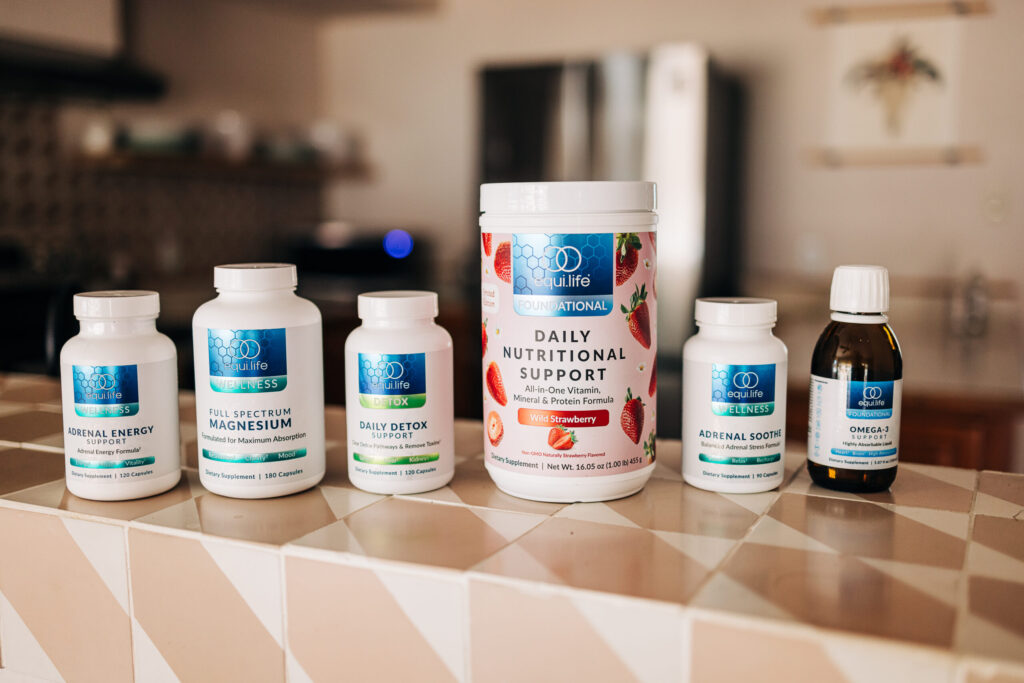
The one I use and genuinely love is from EquiLife. It combines multiple bioavailable forms and I notice a real difference in my sleep and overall sense of calm on the nights I take it. It is also third-party tested, which matters to me when it comes to supplements. If you want to keep it simple and cover your bases without researching and buying multiple individual products, a high-quality full-spectrum formula is a great move.

Topical and Bath Magnesium: Do They Work?
The short answer is: they are a wonderful complement to oral magnesium, especially for muscle tension and nervous system support, though the research on transdermal absorption is still mixed.
What I do know from personal experience and client feedback is that magnesium applied topically or used in a bath has a noticeably relaxing effect on the muscles and nervous system, even if it is not raising serum levels the same way an oral supplement does. I use Ancient Minerals topical magnesium regularly and love it – it is great applied directly to areas of muscle tension or the bottoms of the feet before bed.
NOW Foods magnesium bath flakes are another option I love and recommend. Adding them to a warm bath is one of the most genuinely relaxing things you can do for your nervous system, and it doubles as a soak for sore muscles after a workout. I think of topical and bath magnesium as a lovely addition to your routine rather than a replacement for oral supplementation — they work really well together.
Foods That Are High in Magnesium
Supplementation matters, but food sources are always worth optimizing too.
Some of the best dietary sources of magnesium:
- Dark leafy greens – spinach, kale, chard
- Pumpkin seeds (one of the highest sources per serving)
- Dark chocolate (yes, really)
- Avocado
- Black beans and legumes
- Almonds and cashews
- Salmon and fatty fish
- Bananas
- Whole grains like quinoa and brown rice
Most women eating a reasonably healthy diet are getting some magnesium through food, but rarely enough to fully meet their needs – especially with how much stress depletes, how gut issues impair absorption, and how much pregnancy and breastfeeding increase demand. I go for food first, but supplement to fill the gap.

How to Test Your Magnesium Levels
As I mentioned earlier, a standard blood test for magnesium is not a reliable way to know if you are actually deficient at the cellular level. The blood is the last place the body will allow magnesium to drop, so levels can appear normal even when your tissues are depleted.
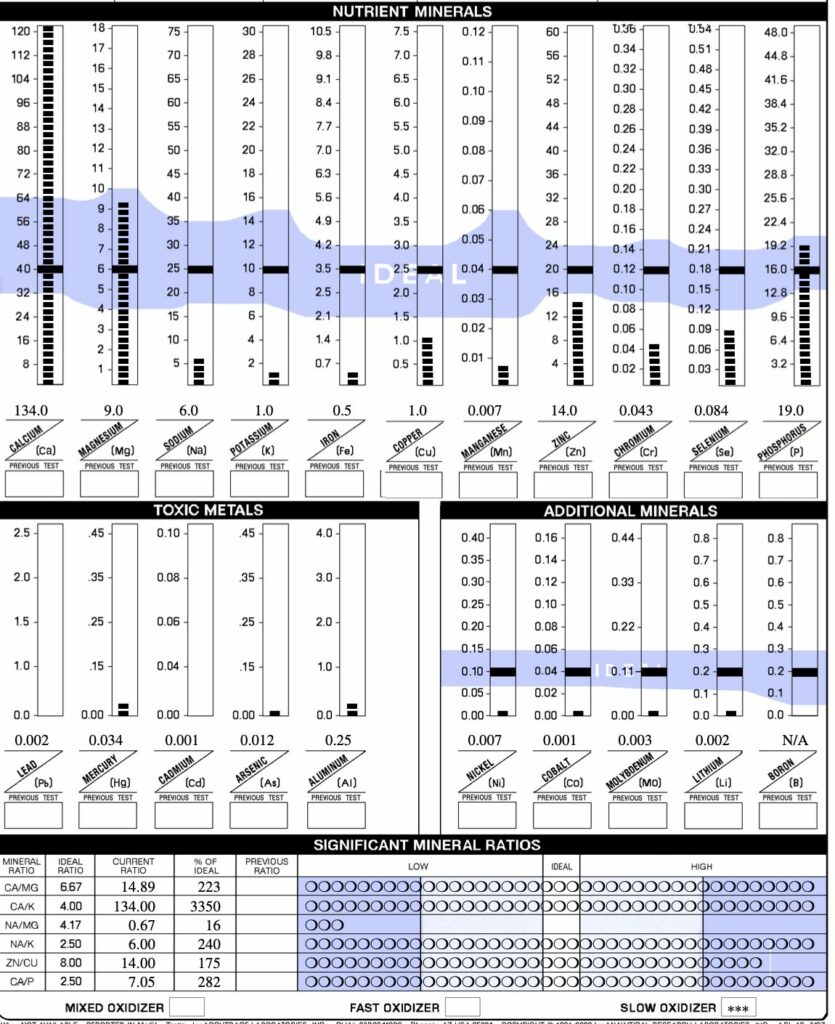
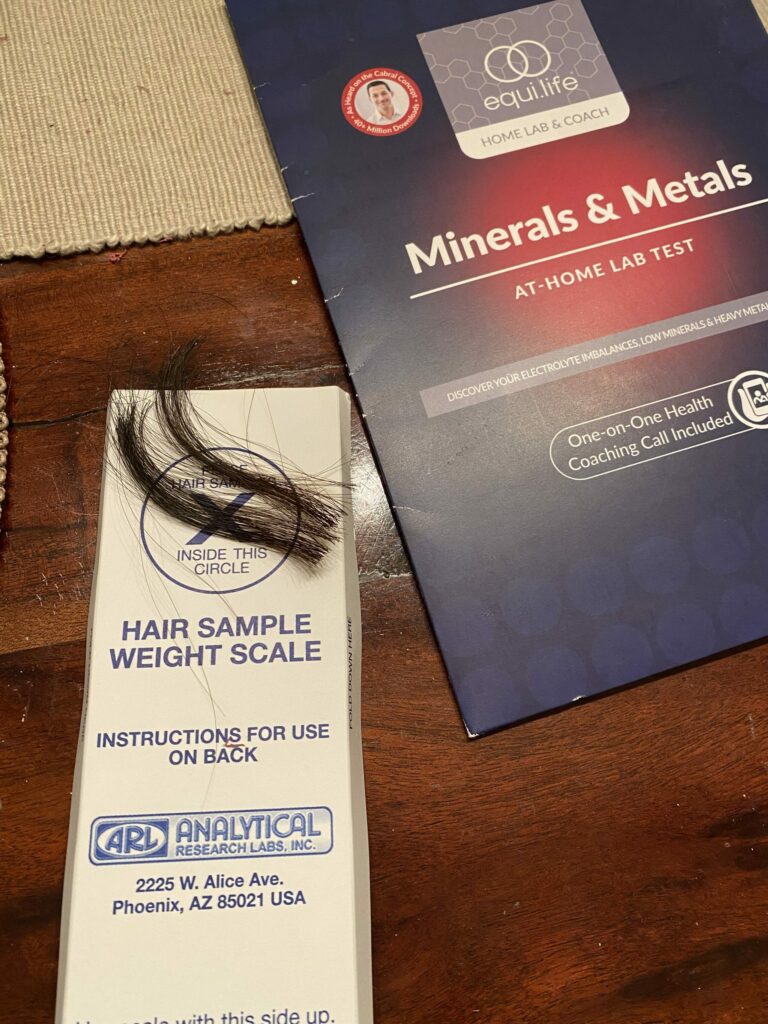
The test I use and recommend for assessing magnesium (and minerals overall) is the HTMA – Hair Tissue Mineral Analysis. It is exactly what it sounds like: a non-invasive test done using a small sample of hair that reveals your long-term mineral status at the tissue level, not just a single point-in-time snapshot like blood work provides.
The HTMA shows not just your magnesium levels, but also how your other minerals relate to each other – because mineral ratios matter just as much as individual numbers. For example, the calcium-to-magnesium ratio reflects nervous system balance and is often elevated in women dealing with anxiety, poor sleep, and stress intolerance. The test also screens for heavy metal accumulation, which can interfere with mineral absorption and is something most people never think to check.
Here is the part I love most about this test: all you need is about a tablespoon of hair snipped from close to the scalp. It is not enough to leave a bald spot, I promise!! You can take it from underneath where it will not be visible at all. That’s it! No needles, vials, visits to the lab… you can do everything from home.
The HTMA is the most affordable functional lab test I offer, which is one of the reasons I love starting clients here. It gives us an incredible amount of information quickly, and it tells us exactly what you need; not just a generic supplement protocol, but a personalized one based on your actual tissue levels.
If you are interested in running an HTMA, send me a DM or an email (gina@fitnessista.com) with the word TESTING and I will send you all the details. It is a great first step whether you are brand new to functional testing or just want to get a clearer picture of what your body actually needs.
FAQ
How do I know if I am magnesium deficient?
The most common signs are muscle cramps (especially nighttime leg cramps or morning calf cramps), poor sleep, anxiety or irritability, fatigue, headaches, and worsening PMS. Because standard blood tests are a poor indicator of actual tissue-level magnesium status, functional testing like an HTMA gives a much more accurate picture. DM me the word TESTING if you want to learn more about how to run this test.
What is the best magnesium supplement for women?
It depends on what’s going on. Magnesium glycinate is the best all-around starting point for most women – it is highly absorbable, gentle on the stomach, and supports sleep, anxiety, muscle tension, and hormone balance. For brain fog or cognitive concerns, adding magnesium L-threonate is worth considering. For fatigue and muscle recovery, magnesium malate is a strong option. A full-spectrum formula that combines multiple forms is a great choice if you want to cover all your bases. I think it’s a better option than trying to pick and choose a single form.
When should I take magnesium?
For sleep support, taking magnesium glycinate in the evening about an hour before bed is ideal. Magnesium malate is often better taken earlier in the day since it supports energy production. If you are taking a full-spectrum formula, check the label for the brand’s recommendation, but evening is generally a good default.
Can magnesium help with anxiety?
Yes, and the research supports this. Magnesium plays a key role in regulating the nervous system and GABA activity in the brain – the same calming pathway affected by low progesterone. Multiple studies have found associations between magnesium supplementation and reduced anxiety symptoms. Most clients notice a meaningful difference within two to four weeks of consistent supplementation.
Can magnesium help with sleep?
Absolutely. Magnesium supports melatonin production, activates the parasympathetic nervous system, and helps quiet the brain for deeper sleep. This is one of the most consistently reported benefits I hear from clients after they start a good magnesium supplement. Glycinate is the form most commonly used for sleep specifically.
Is it safe to take magnesium every day?
Yes, for most people. Magnesium is a mineral your body needs daily and cannot store in unlimited quantities. The most common side effect of too much magnesium is loose stools, which is why the form matters — glycinate and malate are much less likely to cause this than citrate or oxide. Start with a lower dose and build up if needed, and always check with your healthcare provider if you have kidney issues or take medications.
Can I get enough magnesium from food alone?
For many women, food alone is not sufficient, especially with modern soil depletion, high stress levels, and gut absorption issues that are SUPER common. Eating magnesium-rich foods is always a great starting point, but most women benefit significantly from supplementation on top of a good diet.
What is an HTMA test and why would I need one?
HTMA stands for Hair Tissue Mineral Analysis. It is a non-invasive test that uses a small hair sample to measure your mineral levels at the tissue level, which is a better way of accessing long-term mineral status than a blood test. You can check your magnesium status, all of your key minerals and their ratios to each other, as well as any heavy metal accumulation. It is the most affordable functional test I offer and a great place to start if you want real data about what your body actually needs! Email me gina@fitnessista.com subject TESTING to get started.
xo
Gina
Disclaimer: I am an Integrative Health Practitioner and Women’s Fitness Specialist, not a physician. Nothing in this post constitutes medical advice. Please work with a qualified healthcare provider before starting a new supplement protocol, especially if you have kidney disease, take medications, or are pregnant or breastfeeding.
Trending Products


Ankle Resistance Bands, Ankle Bands...

Flexies Pilates Bar Workout Cards &...